
Do you need planning permission to change the outside of your house?
Most exterior makeovers on an ordinary house in England can go ahead without a planning application, thanks to "permitted development" rights. But there are enough exceptions, and enough of them catch people out, that it is worth checking before you order materials. This guide goes through the common jobs one at a time, explains the rule that usually applies, and tells you when to stop and ask your council.
First: three things that change every answer
Before looking at any individual job, check whether any of these apply to your home. If one does, the normal rules below are tighter, and you should talk to your local planning authority first.
- Your house is listed. Listed building consent is needed for almost any work that affects the building's character, inside or out, including replacing windows and doors, changing paint on historic surfaces and altering roofs. Doing listed-building work without consent is a criminal offence, not just a planning breach.
- You are in a conservation area, National Park, National Landscape (formerly AONB) or World Heritage Site. These are "designated land", and several permitted development rights are removed or reduced there. Cladding is the best-known example.
- Your council has made an Article 4 direction. This removes specific permitted development rights for a street or area. They are common in conservation areas and often cover front doors, windows, roof materials and boundary walls. Your council's website will have a map or list.
Also note that permitted development rights for houses do not apply to flats and maisonettes. If you live in a flat, assume external changes need permission (and, for a leasehold flat, your freeholder's consent too).
Painting the outside
Repainting existing render, masonry or woodwork does not normally need planning permission, whatever colour you choose. The exceptions are listed buildings and properties covered by an Article 4 direction that specifically controls painting. Painting over previously unpainted brick or stone on a listed building will almost certainly need consent.
The practical risk with paint is not the council but the result: a colour that looks right on a swatch can look very different across a whole elevation. Our guide to choosing exterior paint colours covers how to test properly.
Cladding and render
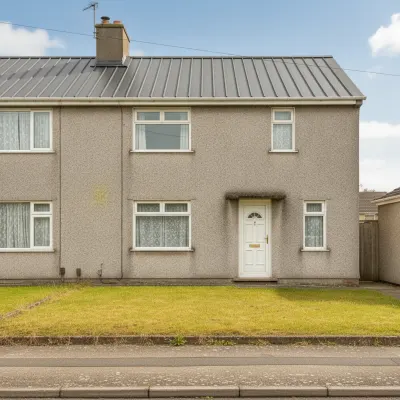
This is the job most likely to need permission without people realising it. On a house outside designated land, you can generally clad or render the exterior under permitted development as long as the materials are of a similar appearance to those already used on the house. "Similar appearance" is a judgement call: rendering over a red-brick house, or adding timber boarding to a pebbledash semi, is a visible change, and some councils will say it needs an application.
On designated land (conservation areas, National Parks, National Landscapes and World Heritage Sites), cladding any part of the exterior with stone, artificial stone, pebbledash, render, timber, plastic or tiles is not permitted development, so you will need planning permission.
Separately, if you are cladding or re-rendering more than a quarter of an external wall, Building Regulations may require you to improve the wall's insulation at the same time. Your builder or local building control team can tell you what applies.
Windows and doors
Replacing windows and doors is usually permitted development if the new ones are of a similar appearance to those on the house. Two conditions trip people up:
- Upper-floor windows in a side wall must be obscure-glazed and either non-opening or opening only more than 1.7 metres above the floor of the room.
- Bay windows count as extensions, not replacements, so a new bay follows the extension rules.
Replacement windows and glazed doors must meet Building Regulations for energy efficiency, safety glazing and, in some rooms, means of escape. Using an installer registered with a competent person scheme such as FENSA or CERTASS means they can self-certify the work; otherwise you must apply to building control. Keep the certificate: you will be asked for it when you sell.
Roofs
Re-roofing with materials of similar appearance is normally permitted development. Switching from concrete tiles to natural slate is usually fine; switching from tiles to a standing-seam metal roof is a bigger visual change, and in a conservation area or under an Article 4 direction it is likely to need an application.
If you are replacing more than a quarter of the roof covering, Building Regulations generally expect the roof's insulation to be brought up to current standards where it is practical to do so, which can affect the budget more than the choice of tile. Rooflights are allowed under permitted development provided they do not project more than 150mm from the roof plane and are not higher than the highest part of the roof.
Porches
A porch on any external door is permitted development if all three of these are true: the ground floor area (measured externally) is no more than 3 square metres, no part is more than 3 metres high, and no part is within 2 metres of a boundary that faces a highway. Anything bigger needs an application.
Front gardens and driveways
If you pave over more than 5 square metres of front garden with an impermeable surface (such as traditional block paving or tarmac laid without drainage) you need planning permission. You do not need permission if you use a permeable surface such as permeable block paving, gravel or porous asphalt, or if rainwater from the hard surface is directed to a lawn or border where it can drain naturally.
A dropped kerb across the pavement always needs your council's highways department's approval, and on a classified road it also needs planning permission. Walls, fences and gates next to a road are permitted up to 1 metre high; elsewhere the limit is 2 metres.
How to check and what to do next
- Look up your address on your council's planning map to see if you are in a conservation area or covered by an Article 4 direction.
- Use the interactive guides on the government's Planning Portal, which cover each type of project in more detail.
- If you are unsure, apply for a Lawful Development Certificate. It is not compulsory, but it gives you written confirmation that the work is lawful, which is useful when you sell.
- For listed buildings or anything in a conservation area, many councils offer pre-application advice. A picture of what you intend helps that conversation, which is one of the practical uses of a visualisation.
These rules apply to England. Wales, Scotland and Northern Ireland have their own permitted development regimes, broadly similar in spirit but different in detail, so check your own nation's guidance.
This guide is general information, not legal advice. Planning rules change and local restrictions vary, so confirm with your local planning authority before starting work.
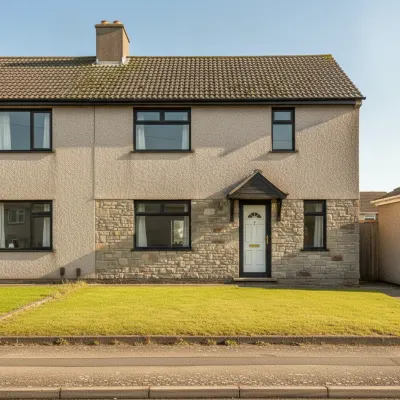 Bardage mural
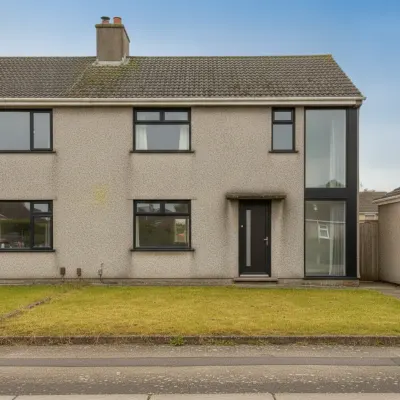 Fenêtres
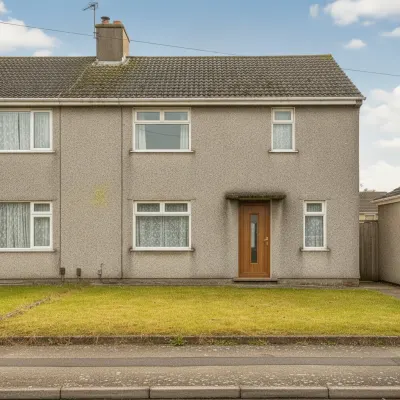 Porte d'entrée
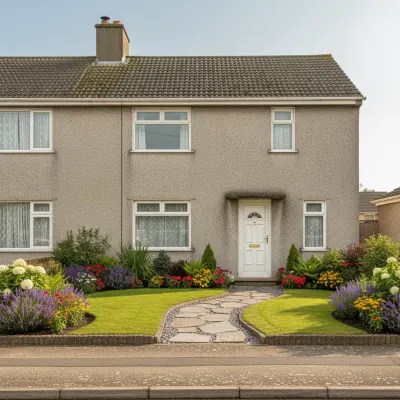 Jardin avant
 Remplacement de toiture